
Finding yourself locked out of your home or dealing with a broken lock can be stressful, but knowing when to call a professional locksmith can save you time, money, and unnecessary frustration. Many people aren't sure whether their lock issue requires professional help or if it's something they can handle themselves. This comprehensive guide will help you understand exactly when you need to pick up the phone and call a qualified locksmith, what services they can provide, and how to make the most informed decision for your security needs.
Emergency Situations That Require Immediate Locksmith Services
Some situations simply cannot wait, and recognising these emergencies will help you act quickly and get the help you need without delay.
Locked Out of Your Home or Business
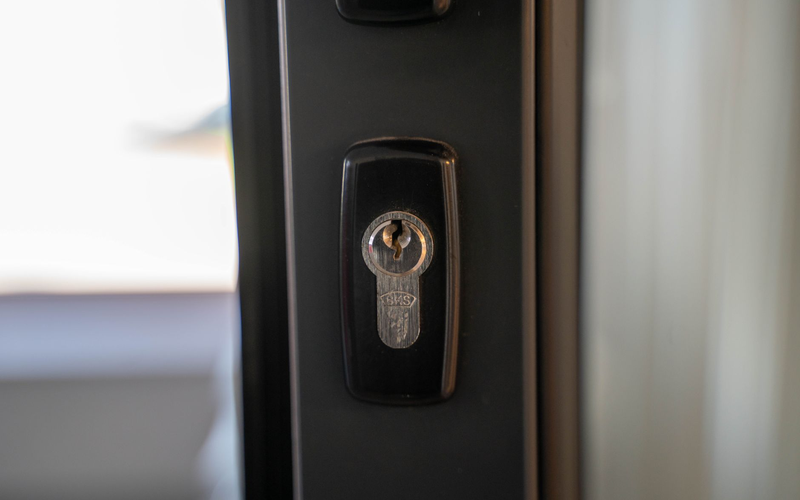
Being locked out is one of the most common reasons people call locksmiths, and it's often the most urgent. Whether you've lost your keys, left them inside, or they've broken off in the lock, a professional locksmith can provide emergency access without causing unnecessary damage to your property. Attempting to break in yourself might seem tempting, but it often results in damaged doors, frames, or locks that cost significantly more to repair than calling a professional in the first place.
At Joel Locksmiths South Oxhey, we understand that lockouts happen at the most inconvenient times. Our emergency services are available when you need them most, providing rapid response times to get you back inside quickly and safely.
Lost or Stolen Keys
If your keys have been stolen or lost in circumstances where someone could identify your address, this constitutes a genuine security emergency. You cannot know for certain whether someone has found your keys and intends to use them. In these situations, calling a locksmith to change or rekey your locks immediately is essential for your safety and peace of mind.
Don't wait until you've experienced a break-in to take action. A professional locksmith can rekey or replace your locks the same day, ensuring your property remains secure. This is particularly important if your keys were stolen along with identification documents or items that could reveal your address.
Broken Keys in Locks
Keys break for various reasons—they may be old and worn, the lock mechanism might be stiff, or excessive force was applied. When a key snaps off inside a lock, extracting it requires specialised tools and expertise. Attempting to remove it yourself with tweezers, pliers, or other household items often pushes the broken piece deeper into the lock mechanism, making professional extraction more difficult and potentially damaging the lock beyond repair.
A qualified locksmith has the proper extraction tools and techniques to remove broken keys without damaging your locks, and can cut replacement keys on the spot if needed.
Burglary or Break-In Damage
If you've been the victim of a burglary or attempted break-in, your locks and door frames may be damaged and compromised. This requires immediate attention from a professional locksmith who can assess the damage, secure your property, and recommend appropriate replacements or upgrades. Many insurance policies require professional documentation of lock damage and replacement, making it essential to use qualified tradespeople.
After a break-in, you'll want to ensure your property is secure as quickly as possible. Emergency locksmiths can provide immediate temporary security measures and schedule permanent repairs or upgrades to prevent future incidents.
Non-Emergency Situations When You Should Call a Locksmith
Whilst not every locksmith call is an emergency, there are numerous situations where professional expertise is invaluable and can prevent future problems.
Stiff or Difficult-to-Turn Locks
If your locks are becoming increasingly difficult to operate, requiring extra wiggling, force, or precise positioning to work, don't ignore these warning signs. Stiff locks indicate internal wear, dirt accumulation, or misalignment that will only worsen over time. Eventually, these problems lead to complete lock failure, often at the most inconvenient moment.
A professional locksmith can inspect your locks, clean and lubricate the mechanisms, make necessary adjustments, or recommend replacement if the lock has reached the end of its serviceable life. Addressing these issues proactively prevents emergency lockouts and extends the life of your security hardware.
Moving Into a New Property
One of the most overlooked security measures is changing the locks when moving into a new home or commercial property. You have no way of knowing how many copies of the keys exist or who might have access to them. Previous owners, their family members, estate agents, contractors, and even former tenants might have keys that were never returned.
Calling a locksmith to rekey or replace all external locks should be one of your first priorities when taking possession of a new property. This relatively small investment provides peace of mind and ensures you have complete control over who can access your property. Professional locksmiths can also assess your overall security and recommend upgrades where necessary.
Upgrading Your Home Security
Home security technology has advanced significantly in recent years, and your locks may be outdated and vulnerable to modern break-in techniques. If your locks are more than ten years old, or if you're concerned about the security of your property, consulting with a professional locksmith about security upgrades is a wise decision.
Modern high-security locks offer features like anti-snap, anti-drill, and anti-pick protection that significantly increase the difficulty of forced entry. A qualified locksmith can assess your current security level, identify vulnerabilities, and recommend cost-effective upgrades that provide genuine protection.
Installing New Locks or Additional Security
Whether you're adding a new door, want to install additional deadbolts, or need to upgrade to British Standard locks for insurance purposes, professional installation is essential. Incorrectly installed locks can be easier to bypass than having no lock at all, and many insurance policies specify that locks must be professionally fitted to maintain coverage.
Professional locksmiths ensure that locks are correctly aligned, securely fitted, and meet all relevant standards and regulations. They can also advise on the most appropriate lock types for different doors and situations.
Lock and Key Repairs
Sometimes locks and keys can be repaired rather than replaced, saving you money whilst still maintaining security. Professional locksmiths can assess whether repair is a viable option and carry out the necessary work to restore full functionality. This might include replacing worn components, adjusting alignment, or addressing damage before it leads to complete failure.
Commercial Locksmith Situations
Businesses have unique security requirements that often require specialist knowledge and experience.
Master Key Systems
If you operate a business with multiple employees, contractors, or tenants requiring different levels of access, a master key system provides an elegant solution. These systems allow certain keys to open specific locks whilst master keys can access all locks in the system. Designing and installing master key systems requires professional expertise to ensure the hierarchy is correctly implemented and secure.
A professional locksmith can design a system that meets your specific access control requirements, providing convenience without compromising security.
Access Control Systems
Modern businesses increasingly rely on electronic access control systems that use key cards, fobs, or biometric authentication rather than traditional keys. Installing, programming, and maintaining these systems requires specialist knowledge. Professional locksmiths who work with access control systems can design solutions that meet your security requirements, budget, and scalability needs.
Panic Bars and Fire Exit Hardware
Commercial properties must comply with fire safety regulations, which often require panic bars or other emergency exit hardware. These must be correctly installed and maintained to ensure they function properly in an emergency whilst still providing security when the building is closed. Professional locksmiths understand these requirements and can ensure your premises remain compliant.
Understanding What Locks Locksmiths Cannot Open
Whilst professional locksmiths have extensive training and specialised tools, there are some situations that present challenges or limitations. Understanding these helps set realistic expectations.
High-Security and Restricted Locks
Some high-security locks feature patented keyways and restricted key systems that are specifically designed to prevent unauthorised duplication and manipulation. These locks may require the owner to provide proof of ownership or authorisation before a locksmith can open or service them. This is a feature, not a limitation—these locks are doing exactly what they're designed to do by preventing unauthorised access.
If you own property with high-security locks, keeping documentation and any security cards or codes provided with the locks is essential for when you need professional services.
Electronic and Smart Locks
Traditional locksmiths may have limitations when dealing with advanced electronic and smart lock systems that integrate with home automation or require software-based access. These locks often require specialist knowledge of both physical security and digital systems. When choosing a locksmith for smart lock installation or repairs, ensure they have experience with electronic security systems.
Safes and Vaults
Whilst many locksmiths do work with safes, opening high-security safes and bank vaults requires additional specialisation. Not all locksmiths offer safe opening services, and those that do may need to assess the situation before confirming they can help. Safe opening often requires different tools and techniques compared to standard lock work.
What Makes the Hardest Locks to Cut or Bypass?
Understanding lock security helps you make informed decisions about your property protection.
High-Security Padlocks
The hardest locks to cut off are typically high-security padlocks made from hardened steel alloys, particularly those with boron carbide shackles or shrouded designs that protect the shackle from bolt cutter access. Brands like ABUS, Abloy, and Mul-T-Lock produce padlocks specifically designed to resist cutting, drilling, and picking.
These locks often feature multiple security mechanisms working together—hardened shackles resist cutting, complex keyways prevent picking, and reinforced bodies resist drilling. When maximum security is required for external gates, sheds, or storage units, investing in high-security padlocks is worthwhile.
Anti-Snap Cylinder Locks
For home door locks, modern anti-snap, anti-drill, and anti-pick cylinders offer the highest security. These locks are specifically designed to counter the most common break-in techniques used by burglars. They feature reinforced sections that resist snapping, hardened pins that stop drilling, and complex pin configurations that prevent picking.
Many insurance companies now require locks meeting British Standard 3621 or equivalent European standards, which include these security features. Professional locksmiths can advise on which locks meet these requirements and provide the level of security your property needs.
The Lock Security Triangle
The most secure locks combine three elements: physical strength (resistance to force), pick resistance (complex mechanisms), and drill resistance (hardened components). No single feature makes a lock completely unpickable or unbreakable, but combining multiple security features significantly increases the time and skill required to bypass the lock, which deters most opportunistic burglars who want quick, quiet access.
Should You Leave Your Keys in the Door at Night?
This common practice raises important security considerations that many people don't fully understand.
The Security Risks
Leaving keys in the lock at night is generally not recommended for several important reasons. Firstly, if a burglar gains access through a window or another door, having the keys already in the lock allows them to open that door from the inside and quickly remove large items from your property. This effectively gives them an easier exit route for stolen goods.
Secondly, some letterbox attacks involve using tools to hook keys left in the lock from the inside and pull them through the letterbox. Even doors with letterbox guards can be vulnerable if keys are left in the lock.
Thirdly, in certain types of locks, leaving a key in one side can prevent a key from working on the other side, which might seem like a security feature but actually creates a fire safety hazard. If you need to evacuate quickly, fumbling with keys wastes precious seconds.
Fire Safety Considerations
From a fire safety perspective, keys should be kept near but not in the door—stored in a consistent, easily accessible location that all household members know about. This allows quick evacuation in an emergency whilst not leaving them vulnerable to the security risks mentioned above. A key hook near the door, out of sight from windows and letterboxes, provides the best compromise.
The Best Practice
The optimal approach is to use locks that don't require keys for internal operation. British Standard locks with thumbturns on the inside allow you to lock the door securely from inside without leaving keys in the lock, and can be quickly unlocked in an emergency. Professional locksmiths can recommend and install locks that meet both security and fire safety requirements.
Is It Cheaper to Rekey or Replace Locks?
Understanding your options helps you make cost-effective decisions about lock security.
Understanding Rekeying
Rekeying involves changing the internal pins and springs inside a lock cylinder so that it works with a different key. The existing lock hardware remains in place, and only the internal components are modified. This is typically significantly cheaper than full lock replacement because it requires less labour and no new hardware except the internal pins.
Rekeying is ideal when you want to maintain control over who has access but your existing locks are in good condition and meet your security requirements. It's perfect for new homeowners, after a relationship breakdown, or when keys have been lost but not in circumstances suggesting immediate security risk.
When Replacement Is Necessary
Complete lock replacement becomes necessary when locks are damaged, worn out, outdated, or don't meet current security standards. If you're upgrading security, changing lock types, or your existing locks are incompatible with rekeying, replacement is the only option.
Replacement costs more initially but provides an opportunity to significantly upgrade your security with modern locks featuring the latest protection against break-in techniques. For older properties with dated locks, replacement often makes more sense than rekeying.
The Cost-Benefit Analysis
For a single lock, rekeying typically costs 40-60% less than replacement. However, if you need to address multiple locks and want different locks keyed alike (all working with the same key), the cost difference may narrow. A professional locksmith can assess your specific situation and provide honest advice about which option provides the best value whilst meeting your security needs.
Many homeowners choose a hybrid approach—rekeying locks that are relatively new and secure whilst replacing older or lower-security locks with upgraded models. This provides improved security at a moderate cost.
How to Choose the Right Locksmith
Knowing when to call a locksmith is only half the equation—choosing the right professional is equally important.
DBS Background Checked Professionals
Given that locksmiths have access to your property and security information, choosing professionals who have undergone DBS (Disclosure and Barring Service) background checks provides peace of mind. At Joel Locksmiths South Oxhey, our team members are DBS checked, ensuring you can trust the professionals entering your home or business.
Transparent Pricing with No Hidden Fees
Reputable locksmiths provide clear pricing information upfront, with no hidden call-out fees or surprise charges. Before work begins, you should receive a clear quote covering labour, parts, and any additional costs. Be wary of locksmiths who won't provide pricing information over the phone or who quote very low prices that seem too good to be true—these often result in inflated final bills.
Local Expertise
Choosing a local locksmith based in your community offers several advantages. Local professionals have better response times, understand local security concerns, and have a reputation to maintain within the community. They're also more likely to be available for follow-up service or emergency calls.
As a South Oxhey-based locksmith, we serve our local community with pride and maintain our reputation through quality work and honest service. We understand the specific security challenges faced by properties in Watford and the surrounding areas.
Qualifications and Certifications
Professional locksmiths should hold relevant qualifications and industry certifications. Look for membership in recognised trade organisations and evidence of ongoing training in the latest security technologies and techniques. Don't hesitate to ask about qualifications—reputable professionals are proud to discuss their credentials.
Preventive Measures to Avoid Locksmith Emergencies
Whilst knowing when to call a locksmith is important, preventing emergencies in the first place is even better.
Regular Lock Maintenance
Locks require periodic maintenance to function properly. At least annually, locks should be cleaned and lubricated with appropriate products (never WD-40, which attracts dirt—use graphite or silicone-based lock lubricant). Regular maintenance prevents many common lock failures and extends the life of your security hardware.